
Understanding odds is essential before placing a bet, whether you are trying a slot, exploring a table game or checking a sports-style market. On Casino Loki, the figures shown beside a game or wager can describe different things, and they do not all mean the same thing. A slot’s theoretical return, a roulette payout and a price displayed as fractional odds are separate measures. Knowing how to read each one helps you compare options and set a sensible budget.
This guide is for adult players in the United Kingdom. Casino Loki’s games, payment options, promotions and terms may change, so check the current website and its rules before depositing. Gambling involves financial risk; odds describe possibilities, not promises.
Start with the kind of odds you are looking at
“Odds” is often used as a catch-all, but casino games usually present several different statistics. Before interpreting a number, identify its label and where it appears. A payout table might list what a winning combination pays, while a game information panel may show a theoretical return to player (RTP). A promotion may instead specify wagering requirements. These values answer different questions.
- Payout odds show how much a specific winning bet returns under the game’s rules.
- RTP estimates the share of total stakes a game would return over a very large number of plays.
- House edge is the casino’s theoretical advantage, usually expressed as a percentage.
- Volatility describes how frequently and how dramatically a game’s results may vary. It is not a win probability.
- Wagering requirements set how much qualifying play may be needed before bonus funds or winnings can be withdrawn.
These figures cannot be substituted for one another. For example, a slot with an RTP of 96% does not pay 96% of every player’s session back, and it does not mean there is a 96% chance of winning each spin.
Reading a slot’s RTP and paytable
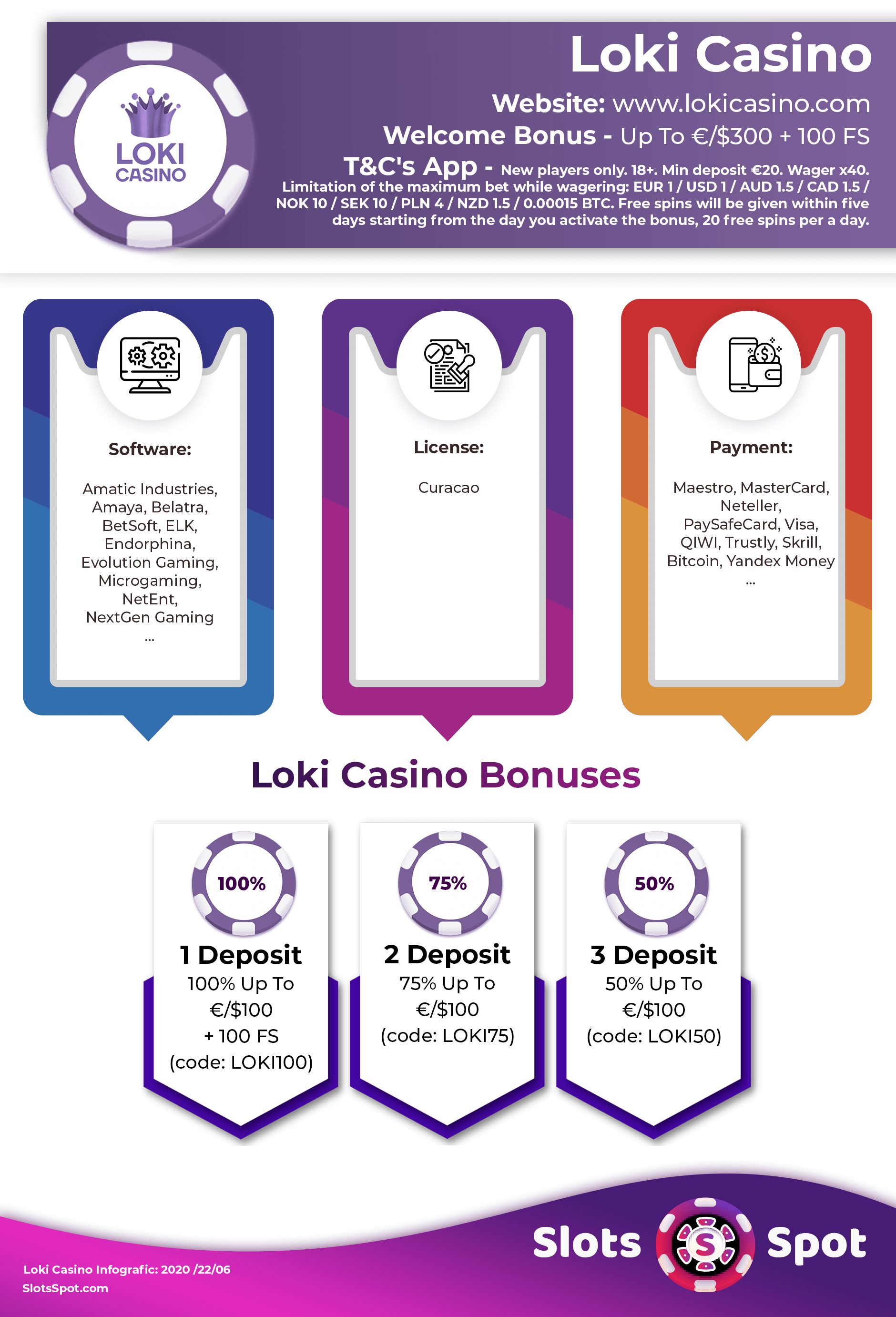
Slots are often the first games players examine on an online casino. Open the game’s information, rules or paytable panel before playing. The location varies by provider, but it commonly appears behind an “i”, menu or help button. Look for the RTP version, symbol values, bonus-round rules, paylines or ways to win, and any stake limits. If the RTP is not displayed in the game or casino information, do not guess: consult the provider’s published rules or ask support.
An RTP of 96% is a long-run theoretical average. In simplified terms, if a game received £100,000 in total stakes across an enormous number of rounds, its model would return about £96,000 to players. That does not predict what will happen to one person’s £10 deposit. A short session can end with a loss, a small win or a much larger result, and previous spins do not make a future result “due”.
The paytable is more useful for understanding a particular outcome. It tells you which symbol combinations count and what they pay at your selected stake. Check whether the displayed prize is a total return or a profit in addition to the original stake; game rules should clarify this. Also note whether changing the coin value, bet size or game mode affects the total wager. A higher stake can increase the amount at risk, even when the symbols and RTP remain unchanged.
RTP is not a personal forecast
Suppose a player spins a slot 100 times at £1 per spin. The total stake is £100. Applying a 96% RTP to that short session and expecting exactly £96 back would be a mistake. RTP is calculated over a much larger theoretical sample, while actual results are uneven. A game can return nothing during a session or produce a substantial prize; neither outcome proves that its published RTP is false.
RTP also does not reveal how often a bonus round will occur or how large a typical win might be. That is where volatility and the game rules become relevant. A high-volatility game may have longer stretches without notable wins and less frequent larger prizes, while a lower-volatility game may produce smaller wins more often. These are broad descriptions, not guarantees about an individual game session.
House edge and table-game payouts
For many casino table games, the house edge is the more practical figure to compare. It represents the casino’s average theoretical advantage under specified rules and assumptions. A lower house edge generally means a smaller mathematical disadvantage for the player over time, but it never removes the possibility of losing. The exact figure can depend on the variant, table rules and decisions made during play.
Roulette makes the difference between payout and probability easy to see. In a standard European wheel, a straight-up bet on one number typically pays 35 to 1, while the chance of that number appearing is 1 in 37. The extra zero helps create the house edge. American roulette includes an additional double-zero pocket, changing the probability and usually increasing the house edge. Always check which wheel and rules the game uses rather than relying on the name “roulette” alone.
Blackjack odds depend heavily on the rules and player decisions. The number of decks, whether the dealer hits or stands on a soft 17, doubling rules, splitting limits and payouts for blackjack all matter. A general odds figure may assume a particular strategy. If you play differently, the theoretical expectation can change. Read the rules and use a strategy guide only as a learning aid, not as a promise of profit.
How to interpret odds displays and promotions
Some casino products show fractional or decimal odds, especially where an offer resembles a fixed-price wager. Decimal odds include the original stake in the total return. For instance, decimal odds of 3.00 mean a £5 winning stake would return £15 in total: £10 profit plus the £5 stake. Fractional odds of 2/1 mean a £5 stake would earn £10 profit, with the stake ordinarily returned as well. Check the specific product terms, since display conventions can differ.
Promotional offers are not game odds. A bonus may advertise a cash amount, free spins or another reward, but its terms can include eligibility rules, expiry dates, game restrictions, maximum conversion limits and wagering requirements. Read those conditions before opting in. If a bonus has a 30-times wagering requirement, check what the multiplier applies to and which games contribute. The wording in the current promotion terms controls; do not assume that every game counts equally.
Quick questions about casino odds
Does a high RTP mean I am likely to win today?
No. It is a long-run theoretical statistic, not a short-term prediction or a guarantee of profit.
Is a 35-to-1 payout the same as a 35-to-1 chance?
No. The payout describes what a winning wager returns under the rules. The chance of winning depends on the number of possible outcomes and the specific game.
Can I improve a slot’s odds by choosing a particular time?
There is no reliable basis for assuming that a slot is more likely to pay at a certain time. Past results do not determine the next independent outcome in a properly functioning game.
Where should I look if a game’s RTP is unclear?
Check the game’s rules and information screen, then consult the provider’s documentation or contact Casino Loki support. Do not rely on an unofficial claim if the game version is not identified.
A practical checklist before you play
- Identify the measure. Confirm whether the number refers to RTP, house edge, payout, probability or a bonus condition.
- Read the specific rules. Verify the game variant, paytable, stake limits and any assumptions behind the published figure.
- Check the stake. Make sure the total bet per round is clear, including lines, coins, side bets or feature purchases.
- Set a limit. Decide in advance how much you can afford to lose and how long you will play. Do not increase your budget to recover losses.
- Review the terms. For bonuses, check expiry, wagering, eligible games and withdrawal conditions before accepting.
- Pause when needed. Take a break if play stops feeling like entertainment, and use account tools such as deposit limits or time-outs where available.
Casino Loki access for players in the UK
Players searching for GB Lokicasinologin UK App should verify that they are using the official Casino Loki service and that access is available to them under the current terms. Do not install an app or provide payment details through an unverified link. Check the operator information, account security guidance and applicable UK requirements on the site itself. Availability, licensing status and app support can change, so confirm those details directly rather than relying on old reviews or search listings.
Keep login details private, use a strong password and avoid signing in on a shared device. If you cannot access your account, use the official recovery route or customer support rather than a third-party “login help” service. Never disclose a one-time security code to someone who contacts you unexpectedly.
Play with clear expectations
Reading odds on Casino Loki is mainly about understanding what each number can—and cannot—tell you. RTP and house edge describe long-run mathematical expectations; paytables explain specific winning combinations; volatility describes the shape of possible outcomes; and bonus terms set conditions for promotional funds. None can predict the result of your next spin or make gambling a dependable way to earn money.
Use the information to compare games and make informed choices, not to chase a particular return. Keep stakes within a pre-set entertainment budget, stop when you reach your limit, and avoid playing when stressed or under the influence. If gambling is causing harm, seek support through a recognised UK gambling-help service and consider using account restrictions or self-exclusion.
